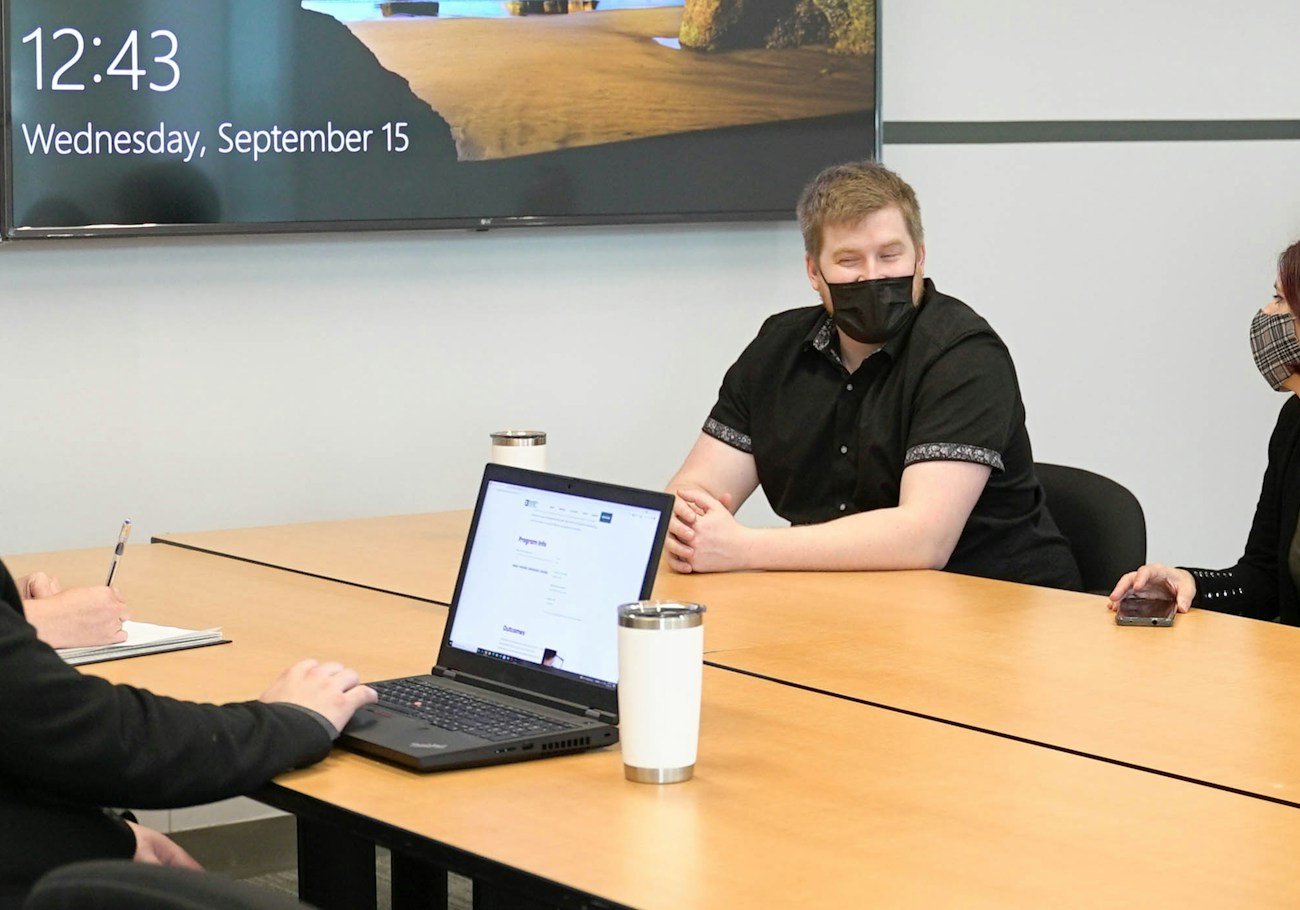

Youth leadership means helping a group decide what to do and taking responsibility for part of the work. You can practise it by asking classmates what’s making a study group difficult to attend, agreeing on a change and checking whether it helped. That’s a useful first project even if nobody gives you a title.
Use the seven skills and 30-day plan below to try one manageable project at school, work or in your community. The peer study group that runs through the guide is hypothetical. Adapt the plan to the people, time and resources you have.
What is youth leadership?
Young people lead when they help shape a decision and follow through on it. In a student club, that might mean finding out why new members stop attending and working with the committee to improve the welcome session. Youth empowerment gives people the voice, access or support to participate. Leadership is one way they put that opportunity to work.
Why does youth leadership matter?
When young people help plan something they will use, they can flag problems others may miss. A student can explain why an after-school session clashes with the last bus, for example. Ask who gets to suggest changes and who decides which changes to try. UNESCO describes youth engagement as including decision-making, partnerships and developing solutions. UNESCO youth engagement guidance
Seven youth leadership skills to practise
1. Communication
Tell the group what you want to try, who it’s for and what happens next. Ask a teammate to explain the plan back to you. If they’ve heard something different, revise the message before sharing it.
2. Active listening
Ask people who missed a session what kept them away. Repeat what you heard and give them a chance to correct you before settling on a solution.
3. Critical thinking
Compare two plausible explanations for low turnout, such as timing and unclear invitations. Use feedback or attendance records you’re allowed to keep to decide which explanation to test first.
4. Collaboration
Agree who will book the room, prepare the material and send the reminder. If people disagree, ask which option best serves the group and what it would take to try it.
5. Initiative
Take one step you can finish this week. Ask two classmates what topic they need help with, then see whether you can arrange one session on that topic.
6. Accountability
If you can’t deliver what you agreed, tell the group early. Say what changed, propose a workable handover and record the new plan so everyone knows who’s responsible.
7. Cultural awareness
Ask how people prefer to participate. Give someone time to read a prompt before speaking, and offer a written way to contribute when a fast discussion leaves people out.
How to develop leadership experience as a student

Pick one problem close enough to understand. Try improving a peer tutoring session, welcoming new club members or taking responsibility for a task with an established volunteer group. Ask the people affected what would help and agree with them on a small goal. If your school or group has approval, privacy or safeguarding rules, check them before you invite participants or collect feedback.
Give the work a clear finish point. For a study group, that could be running two sessions, asking whether the time worked and deciding together whether to keep it. UNESCO’s school handbook gives examples of students contributing to decisions about their education. UNESCO handbook on meaningful youth engagement
How to show leadership in a fellowship or conference application
Choose an example that answers the application prompt. Name the problem, explain your responsibility and describe what the team did. Then give an outcome you can support and explain what you learned. If your role was scheduling rather than teaching, say so. It helps the reviewer see what you actually contributed.
Planning prompt. Our group noticed [problem]. I was responsible for [task]. I worked with [people] to try [action]. We observed [result or feedback]. Next time I would [change]. Replace the brackets with your own details and keep the outcome within what your evidence shows.
How international youth conferences can support development
Look for a session where you can practise a skill or work with other participants. Read the agenda and check the organizer, selection criteria, fees and funding before committing. Set one goal before you attend, such as learning how another team gathers feedback. Afterward, decide whether there’s a technique worth trying on your own project. Opportunity verification checklist
A 30-day youth leadership project plan
| When | What to do | What to record |
|---|---|---|
| Days 1–7 | Ask classmates what keeps them from joining and choose one problem to test. | The main barrier people describe and the change you’ll try. |
| Days 8–14 | Agree on the time, space and roles with two willing teammates. | Who will do each task and when you’ll check in. |
| Days 15–21 | Run the session and ask attendees what would make the next one easier to join. | Attendance and brief feedback you have permission to retain. |
| Days 22–30 | Review the notes, thank contributors and agree whether to repeat or revise the session. | What the team decided and why. |
If your first project doesn’t work
Hypothetical example. You planned for eight people and two attended. Ask a few people who didn’t attend whether they saw the invitation and whether the time worked. If several point to a timetable clash, test a different time before changing the whole session. Record what you know, what you still don’t know and how the team decided what to do.
Youth leadership examples that strengthen applications
Keep a short project record while details are fresh. Include dates, roles, changes you tried, feedback and any results you can check. Attendance shows how many people came. It takes different evidence to show they learned something. Store only records you have permission to keep, and use totals or anonymized notes when individual details aren’t needed.
Select the example that fits the award. A student mentoring project might help answer a question about supporting peers, while resolving a scheduling disagreement might fit a teamwork prompt. Write an evidence-based motivation letter
Frequently asked questions
Can I be a youth leader without an official position?
Yes. Taking responsibility for a task, involving the people affected and following through can demonstrate leadership. Explain what you did and what the group decided or achieved.
Do I need to travel to develop leadership skills?
No. Practise locally through a student activity, a volunteer group or an online project. Choose a task with a clear goal and enough time to get feedback.
What should a beginner focus on first?
Start by listening to the people affected by one problem. Agree on a change you can test, assign the work and check in afterward. That gives you a chance to practise communication and follow-through on the same project.
What makes a leadership programme worthwhile?
Look for a clear learning goal, a credible organizer, transparent costs and a chance to make decisions or practise a skill. Ask what participants actually do during and after the programme.
Official resources and further reading
Guidance reviewed on 7 November 2026.