
The St Gallen Global Ideas Competition is accepting entries for the 2027 St. Gallen Symposium. The current format combines a solution brief with a short video. Graduate applicants should use the new template and check the eligibility rules before preparing an entry. The organizer’s official competition page lists the deadline as 1 February 2027 at 23:59 UTC−12. Details were checked on 20 November 2026.
In this guide Check eligibility and benefits · Plan your solution brief · Prepare your video · Review the submission
Check your Global Ideas Competition eligibility
| Item | Published 2027 requirement or benefit |
|---|---|
| Study status | Master’s level or higher; enrollment as of 1 February 2027. |
| Birth year | 1997 or later. |
| Submission | Individual entry in English: brief up to 1,000 words; video up to 3 minutes. |
| Event | St. Gallen Symposium, 27–29 April 2027. |
| Support | Organizer reports free participation plus travel, board, and lodging. |
| Prize | The best three ideas share CHF 20,000. |
The University of Cape Town’s competition information notice also describes the graduate entry route, two-part submission, and covered travel, accommodation, and meals. Use the organizer’s current rules to resolve any difference between summaries.
The Global Ideas Competition replaces the former essay competition. Check the organizer’s definition of an eligible university if your institution or qualification needs clarification. Save any reply before committing substantial time to an entry.
Make a personal feasibility note alongside your eligibility check. Consider your course commitments during the event and any documents you would need to travel. Ask the organizer how covered expenses are arranged before booking. Keep any personal spending separate from the benefits described on the competition page.
Build a focused solution brief
The Global Ideas Competition asks for a problem that cooperation could solve and an arrangement that makes progress possible. The official template has four sections: summary, evidence and analysis, proposal, and implementation path. Sources and any auxiliary tools, including AI, must be declared. Keep identifying details out of the brief, its filename, and metadata.
For your own planning, write one sentence explaining the obstacle. Identify who needs to agree and what each party would have to change. Then ask what would happen under your proposed arrangement. If you can only describe a desirable outcome, work further on the decision or agreement that would produce it.
Consider a fictional example involving unused campus laboratory equipment and nearby schools. A proposal might explore scheduled access, supervision, and maintenance responsibilities. Research whether the equipment is suitable, who can authorize access, and what would make participation worthwhile for each party. This example is a thinking exercise, not an organizer-approved solution or a submission to copy.
For a Global Ideas Competition draft, keep an evidence note beside every substantial claim. Distinguish a measured fact from your estimate. If your plan depends on a partner’s willingness, explain how you would test that assumption. Name a small first step that could expose weaknesses before a larger rollout.
Explain the idea in your own words
For the Global Ideas Competition video, the provider asks applicants to speak to camera without slides, screen sharing, or reading a script; notes are allowed. Use the current instructions when recording. Rehearse with a listener and ask which part of the proposed arrangement they still cannot explain.
A useful practice sequence is to describe the problem, the people involved, and the agreement you propose. Then explain why the arrangement could work. Record a trial on your phone and listen back for missing links in the explanation. Reduce background noise and check that your voice is clear before spending time on presentation details.
Keep the brief and video consistent. If a number or partner role changes while drafting, update both. You can maintain a simple change log listing the claim, the reason for changing it, and the source. This makes a final review easier when several versions exist.
Review your Global Ideas Competition entry
Open the participation portal through the official Global Ideas Competition application link. Prepare the requested identification and enrollment evidence. Check the final brief against the current template, confirm the word count, and review its visible content and document properties for identifying details. Keep your source list and tool disclosures with the final version.
Use a submission checklist with one line for each required item. Mark an item complete only after checking the actual file you intend to upload. Open uploaded files again if the portal lets you review them. Save the confirmation and the exact versions submitted.
Can I use an older essay? The provider requires work created for this contest. Use the current brief format and check its originality and disclosure instructions.
Is selection guaranteed if I qualify? No. Eligibility permits consideration. Allow time to strengthen the reasoning and evidence in your Global Ideas Competition entry.
How should I handle the deadline? Record the published UTC−12 cutoff and convert it for your location. Set a personal submission target earlier so an upload problem does not leave you working at the limit.
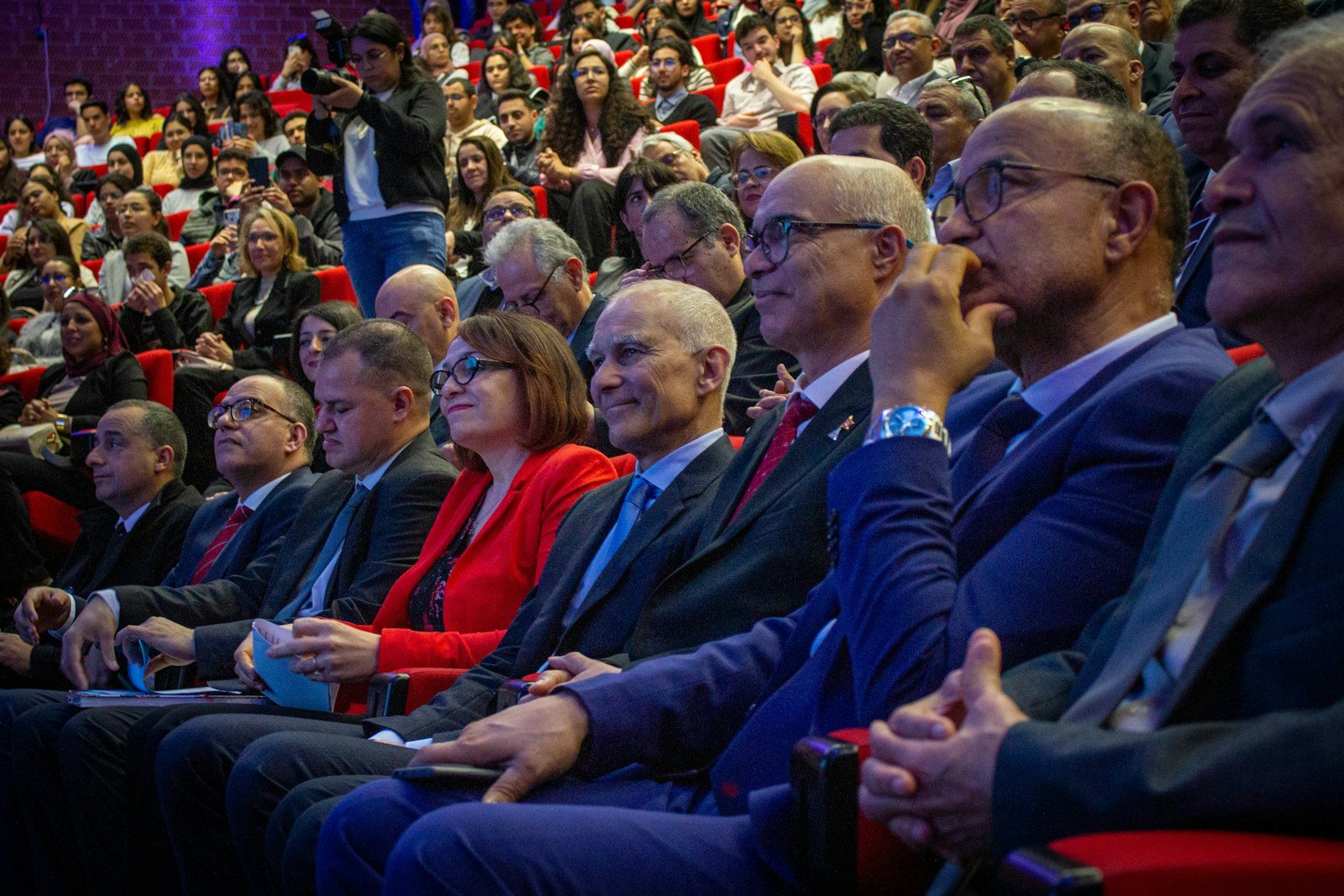
Featured photo: HSG SQUARE by HSGler num. 1 · CC BY-SA 4.0. Original image. Campus photograph, not event coverage.