
To apply for a Mundus MAPP scholarship for 2027–29, submit your degree application by 1 December 2026 at 23:59 CET and indicate your interest in financial aid in the form. That is 03:59 PKT on 2 December. The official admissions calendar sets later dates for self-funded applicants. Scholarship applicants need the first deadline.
In this guide Check your deadline · Choose one study track · Compare funding · Prepare the application
The Mundus MAPP scholarship deadline comes first
| Application route | Published closing date |
|---|---|
| Financial aid and early self-funded applications | 1 December 2026, 23:59 CET. |
| Self-funded applicants who reside outside the EU/EEA | 15 April 2027, 23:59 CET, as listed in the calendar. |
| Self-funded applicants who reside in the EU/EEA | 1 July 2027, 23:59 CET, as listed in the calendar. |
Use your funding requirement and the calendar’s residence category to identify your date. If you need a Mundus MAPP scholarship to attend, plan around December. Add a personal submission target a few days earlier in your scholarship deadline tracker. Keep the original time zone beside the Pakistan time so you can check any later updates.
Choose the track that fits your policy interests
You can apply to one mobility track. The consortium’s study-track guide explains where you study and how the specializations differ. Read the module descriptions and think about the policy question you want to work on. A statement that connects your previous work to a specific part of the curriculum is easier to assess.
- CEU–IBEI focuses on Global Public Policy, with study in Vienna and Barcelona.
- CEU–York focuses on European Public Policy.
- ISS–IBEI focuses on Political Economy and Development.
- ISS–York focuses on Governance and Development.
Treat the track choice as part of your Mundus MAPP scholarship preparation. If you have worked on local service delivery, explain which analytical skill you need next and how the track would help you build it. The FAQ requires a bachelor’s degree of at least three years, with a GPA of at least 3.17/4.0 or equivalent, and at least an Upper Second where that classification applies. It excludes bachelor’s degrees in natural sciences and engineering. Check the entry and language requirements before committing to a track.
What a Mundus MAPP scholarship pays for
The official financial-aid page lists a limited number of Erasmus Mundus Joint Masters scholarships. The award includes a full tuition waiver and a monthly contribution of €1,400 for up to 24 months. The consortium describes the monthly amount as support for living costs, travel, visas, and installation expenses. Budget those costs from the award. A €1,400 transfer may arrive after you need to pay a housing deposit or book a required journey. Put payment dates and costs for each study city into the same budget.
The consortium also lists an institutional scholarship for each track. It provides a 50% tuition waiver at both year-one and year-two institutions, with living costs left to the student. Compare that coverage separately from the Erasmus Mundus award. Before accepting either offer, ask which payments apply to you and when they begin. Add the required study visit and winter school to your budget. The published estimates are €600–€1,000 for each, depending on destination.
Prepare the portal, documents, and referees
Follow the link in Mundus MAPP’s application instructions to the official portal. There is no separate scholarship application, and applicants to Mundus MAPP alone do not pay the CEU application fee. Check the document checklist for your academic records, statement, CV, and language evidence. The Erasmus Mundus documents guide can help you organize the files.
For a Mundus MAPP scholarship application, track your references through the portal. The consortium’s FAQ says referees submit there and should check spam folders for the invitation. Confirm that their letters have arrived before the deadline. Read the English-language exemption rules carefully if you plan to use prior study as evidence. Ask about any unclear requirement while there is still time to act.
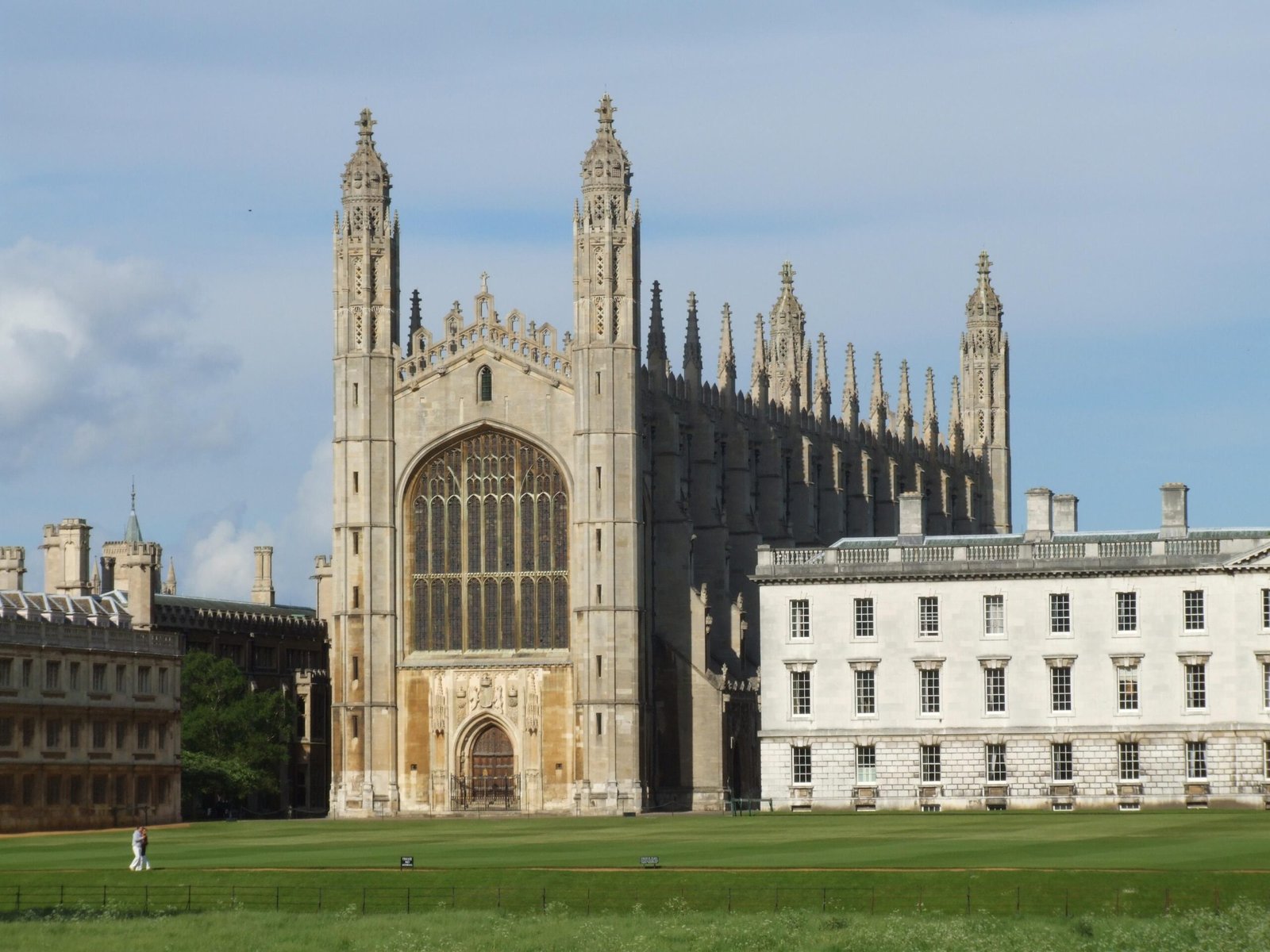
Featured photo by WeAreCEU / Daniel Vegel · CC BY 2.0. Resized for the web.