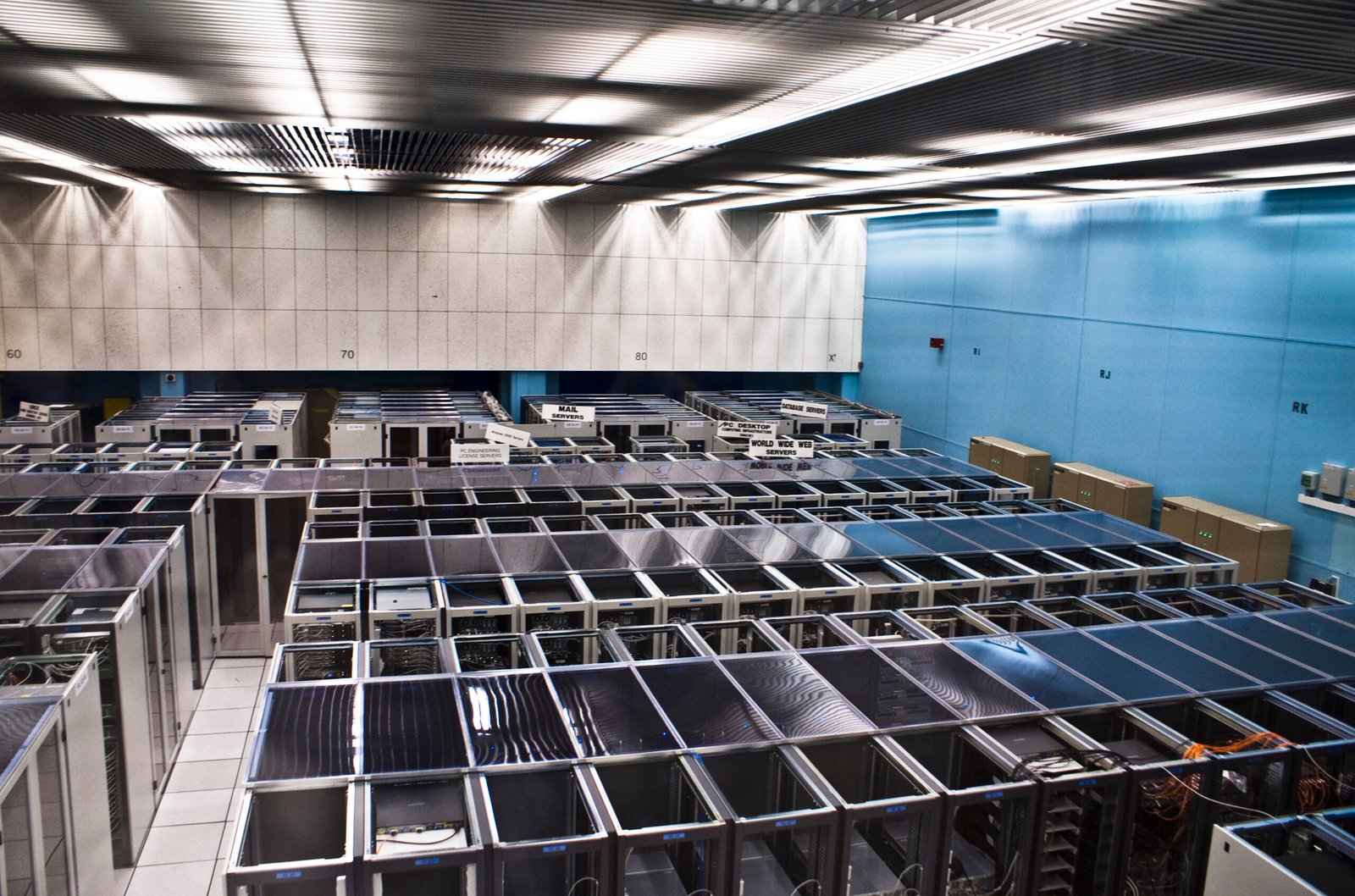
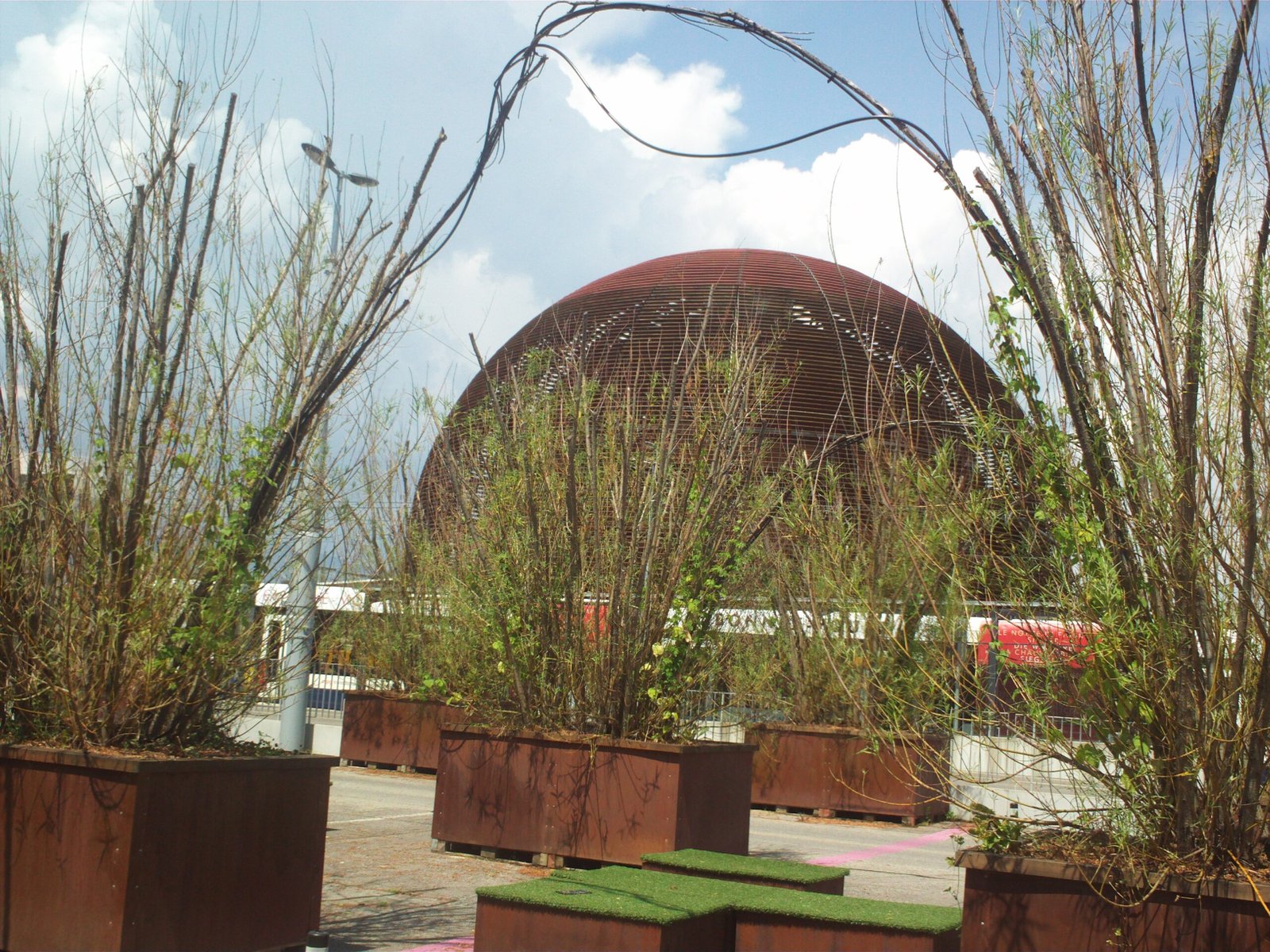
The CERN Summer Student Programme for 2027 accepts applicants from Member and Non-Member States. Apply by 21 January 2027 at 23:59 Geneva time, or 03:59 PKT on 22 January. The official CERN vacancy identifies the call as SUMM-2027. It lists 14 June 2027 as the ideal start date.
In this guide Check your eligibility · Review the allowance · Prepare the application · Compare the openlab route
Who can apply to the CERN Summer Student Programme?
CERN asks for bachelor’s or master’s students who will have completed at least six semesters of full-time university study by the start of the summer. The CERN Summer Studentship overview names physics, engineering, computer science, and mathematics. Check the vacancy if you’re applying from a related field. The listing calls for good English and excludes PhD candidates.
You must remain enrolled full time for the entire placement. If your degree ends before or during the summer, ask your university registrar to confirm your enrollment dates. The CERN Summer Student Programme also excludes previous participants and people who have worked at CERN for more than three months under another status. Check these conditions before you request a reference.
What the CERN Summer Student Programme covers
| Item | What to check |
|---|---|
| Allowance | CERN lists CHF 94 net per calendar day. Ask when the transfers begin. |
| Insurance | Check the CERN health insurance terms. The vacancy says students paid directly by a national funding agency must arrange their own coverage. |
| Travel | CERN says travel expenses to Geneva depend on individual circumstances. Confirm coverage and payment arrangements. |
| Placement | The vacancy is on-site. The general programme page describes an 8-to-13-week contract of association. |
| Housing | Price an actual room and add the deposit, commuting costs, and meals. |
For a CERN Summer Student Programme budget, start with the daily rate. At CHF 94 a day, 30 calendar days would total CHF 2,820. Use this as a budgeting example, and calculate your actual total from the offered dates. Compare that amount with rent by the week, because a room may require you to pay for extra nights around arrival or departure. Check whether the first month’s rent and deposit fall before the first transfer. Before accepting a CERN Summer Student Programme place, check what you would pay before the first allowance arrives. Use the upfront costs checklist to budget for the move.
Request the records before you open the form
Ask your university for an enrollment certificate and official transcripts. The CERN Summer Student Programme vacancy lists these records and an academic reference letter in English or French. It also asks for a CV in English or French. Check the upload form for accepted file types and make sure every scan opens. Give the files names you can recognize while uploading, such as Transcript and Enrollment Certificate. Open the final copies in the same order as the form to catch missing pages before you submit.
- Ask a lecturer or project supervisor who can describe work they have seen. Give them the call, the local deadline, and the project you want them to discuss.
- Use your CV to make one technical contribution easy to spot. Say what you built, analyzed, tested, or maintained, and what part you handled.
- Review the selected vacancy code and contact email before submitting your CERN Summer Student Programme application. Keep the confirmation from the portal.
If your referee would benefit from context, adapt the reference request email guide and send the transcript or CV you want them to have.
Compare the general programme and CERN openlab
The CERN Summer Student Programme covers a broad range of scientific and technical work. The separate CERN openlab summer student programme focuses on computing projects and describes a nine-week placement. Read the respective calls if your background fits both. Use the code shown on each application page and follow that page’s own document instructions.
In your application, explain why your past work fits the route you chose. An engineering applicant might explain their contribution to a sensor test, while a computing applicant might describe a data pipeline they wrote and how they checked its output. Name the tools only if they help explain the work.
Featured photo by Ypsilon from Finland · CC0 1.0. Resized for the web.