The Generation Regen Challenge 2027 is open through 24 February 2027 for eligible leaders delivering regenerative or sustainable agriculture projects in Canada or the United States. One Young World and BMO offer project grants and a scholarship to attend the 2027 One Young World Summit in Tokyo for selected recipients.
Check where your organisation is registered and where it will deliver the project before starting the form. The main award is for Canada and the US. The organiser lists a separate South Africa Innovator Prize with an expression-of-interest form.
In this guide Check eligibility · Review grants and summit funding · Plan your project response · Apply or register interest
Who can enter the Generation Regen Challenge 2027?
For the main round, the official One Young World criteria call for an organisation leader aged 18 to 35. Eligible organisation types include registered Canadian nonprofits or charities, US 501(c)(3) organisations and registered social enterprises in Canada or the US, subject to the organiser’s terms.
- The organisation must have been registered for at least one year by 5 November 2026.
- The proposed project must be based in and focused on Canada, the US or both.
- The organisation must have an operating bank account that can receive the grant and be able to provide audited financial statements.
- Social enterprises must propose a project with a social purpose and commit the full grant to that project. The organiser considers one application per organisation.
Project grants and the Tokyo summit
| Award route | What the organiser lists |
|---|---|
| Two main-round winners | $60,000 in project funding each. |
| Four main-round finalists | $20,000 in project funding each. |
| Separate South Africa Innovator Prize | $15,000 for one recipient. The organiser currently invites expressions of interest. |
| Summit scholarship for selected recipients | Participation in Tokyo, 28 September to 1 October 2027, with return flights, accommodation and catering. |
The public award page gives the amounts with a dollar sign. Confirm the payment currency and grant terms with the organiser before using them in your budget. The Tokyo scholarship comes with selection for an award and the organiser’s participation terms.
Show what the grant would let you do
Choose a problem you can describe in practical terms, such as runoff from a specific group of fields. Explain what you know now, what you would change and what you would measure. For an illustrative pilot, a team trialling cover crops could record the fields involved, a baseline for the selected measure and who will collect data after planting.
Tie each proposed expense to an activity and give it an owner. State which farmers or community partners have agreed to take part and which commitments you still need. The one-page project proposal template can help you draft the first version, and the project impact guide can help you choose measures you can collect.
For a new pilot, separate the activities you can complete with the grant from results that would take longer to observe. You might commit to recording baseline measurements and training staff during the project, then explain how you will monitor soil conditions after the grant period. Use figures you can substantiate in the application.
Use the application route that matches your project
The Round 1 form asks about the applicant, the organisation and the project. The organiser accepts applications in English or French. Its public page lists 24 February 2027 without a confirmed cutoff time, so submit ahead of that date and retain your confirmation.
For the separate South Africa Innovator Prize, use the official expression-of-interest form to follow the launch. The organiser describes this as registration for updates while the prize application is pending.
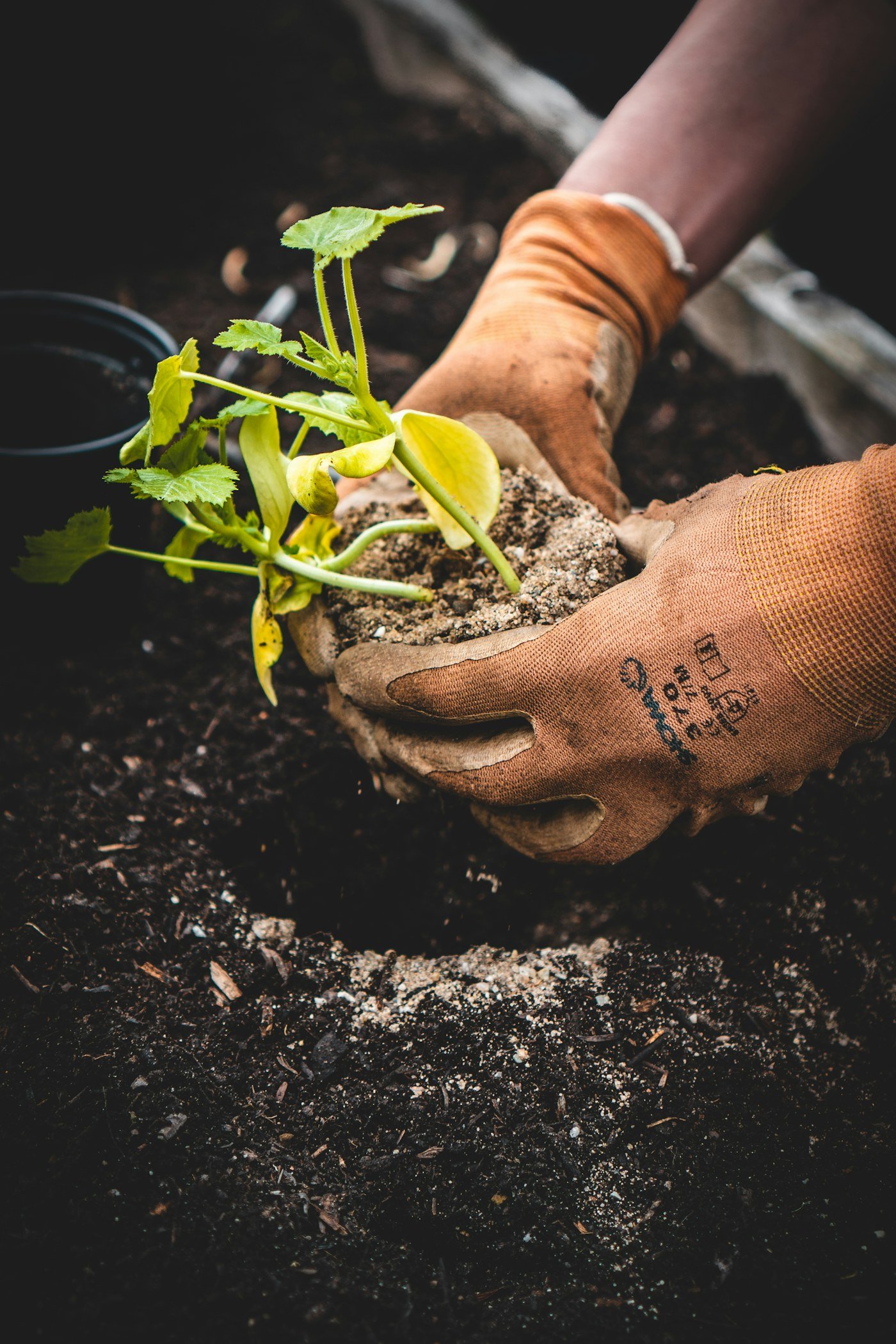
Featured photo by Jonathan Kemper · Unsplash License.